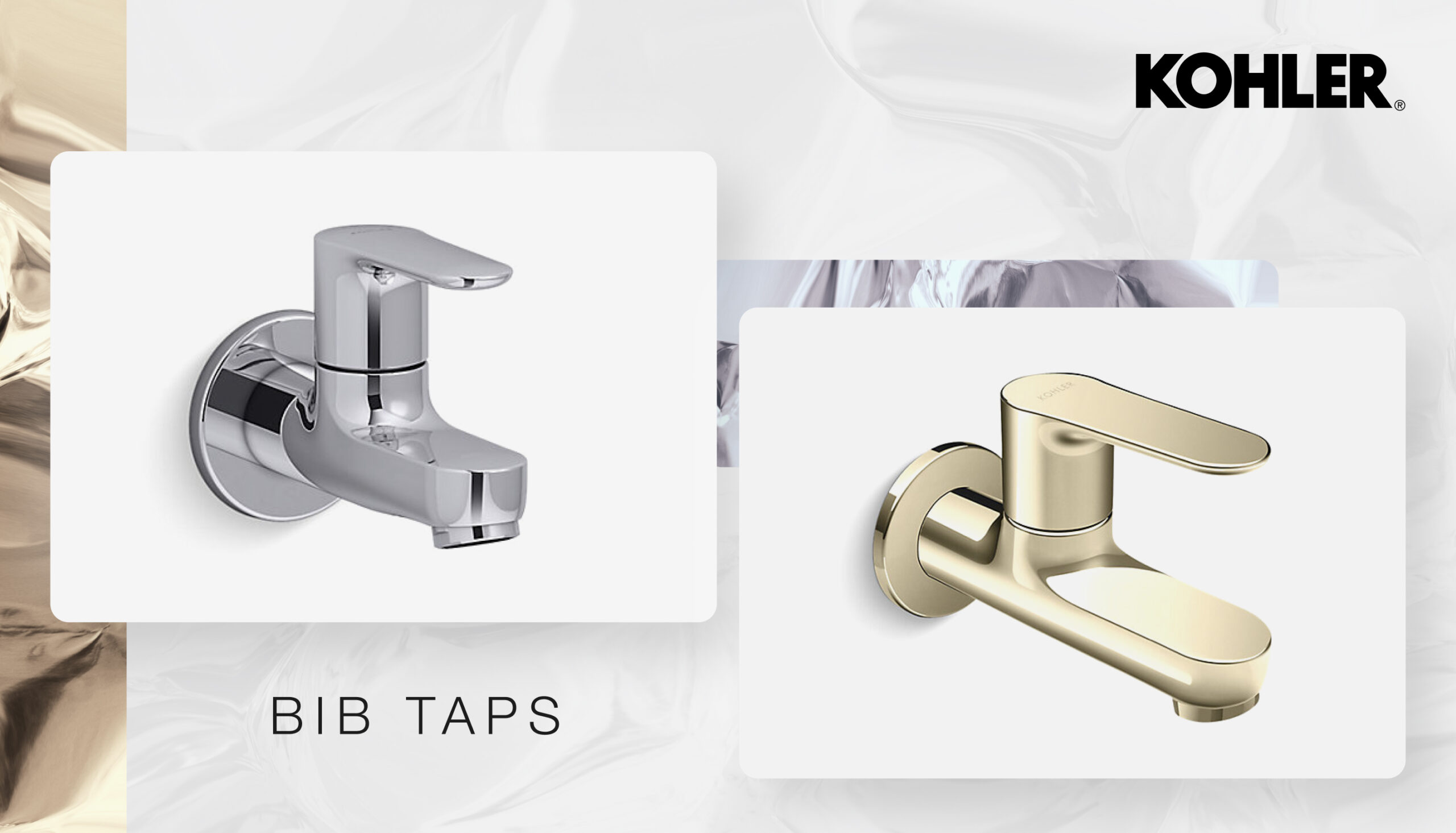
Bib taps work hard day after day. They turn on and off, handle pressure, and manage water flow in homes and gardens. Regular care keeps bib taps running smoothly and stops irritating drips before they start. Simple steps deliver reliable service and save water over time.
Check Washers Regularly
The rubber washer inside the bib taps creates the seal that stops water flow. Constant pressure and turning wear the washer down over months of use. Cracks appear, and the material hardens. Fresh washers restore tight closure and prevent leaks in bib taps.
Replacement takes little time with basic tools. Standard washers cost little and deliver months of service. Watch for early signs such as reduced firmness when the handle turns. Replace washers in brass bib taps and bathroom bib taps at the first hint of trouble. This approach avoids bigger problems and reduces water waste.
Tighten Loose Parts
Loose components create gaps that allow water to escape from bib taps. Handles that wobble or spindles that shift lead to steady drips. Gentle tightening brings parts back into proper alignment. Hand-tight plus a quarter turn works well for packing nuts and similar fittings. This level of pressure secures the components without stripping threads or distorting metal.
Check and adjust these parts on bib taps each season. The same care applies to brass bib taps used outdoors and bathroom bib taps in daily use. Steady tightening keeps everything firm and supports leak-free performance.
Lubricate Moving Parts
Constant turning creates friction between metal parts in bib taps. Plumber’s grease solves this issue by reducing wear and keeping the movement smooth. Apply a light film to the spindle and visible moving surfaces. Remove the handle, coat the parts, and reassemble. This quick step protects O-rings and extends the life of bib taps.
Use just enough grease to form a thin layer. Excess lubricant collects dirt and creates a build-up. Proper lubrication makes brass bib taps and bath bib taps turn effortlessly for longer periods.
Inspect the Valve Seat
The valve seat forms a small metal ring inside the bib taps. It works together with the washer to stop water flow completely. Scratches, pits, or corrosion on the valve seat prevent proper sealing even with new washers. A re-seating tool smooths the surface by removing tiny amounts of material. This process restores a flat contact area and delivers reliable shut-off.
Hardware shops stock re-seating tools for easy home use on bib taps. Regular inspection of the valve seat in brass bib taps and bathroom bib taps helps maintain tight performance and stops persistent drips.
Protect from Weather
External bib taps face temperature changes throughout the year. Summer heat and winter cold cause metal to expand and contract. Insulated tap covers protect bib taps against these swings. Disconnect hoses before winter arrives to stop water from freezing inside the tap body. Ice expansion damages seals and metal parts.
Spring checks reveal any winter wear early. Address issues promptly so brass bib taps stay ready for garden use. These simple precautions keep outdoor bib taps in good condition year after year.
Replace Old Seals Promptly
Small drips from bib taps waste large amounts of water over time. A tap dripping once per second loses thousands of litres each year. Fresh washers and O-rings restore full efficiency straight away. The low cost of new seals pays back quickly through reduced water consumption.
Planned replacement beats waiting for complete failure. Timely changes on bib taps, brass bib taps, and bath bib taps avoid emergency repairs and keep performance steady.
Quality Components Make the Difference
Premium materials reduce maintenance needs and deliver longer service from bib taps. Brass bib taps resist corrosion well and hold precise tolerances over time. This durability shows in smoother daily operation and fewer repairs. For reliable bathroom and kitchen fittings built to demanding standards, Kohler Sri Lanka offers engineered solutions. Their range supports consistent performance in bib taps and related products.
Frequently Asked Questions
How often should bib tap washers get replaced?
Replace washers in bib taps when dripping starts rather than on fixed schedules. Quality washers last for years in soft water areas. High mineral content calls for more frequent changes. Early replacement in brass bib taps and bathroom bib taps prevents water waste and maintains proper function.
What causes a tap to drip even after washer replacement?
A damaged valve seat often explains continued dripping from bib taps. Scratches or pits stop the washer from making full contact. Inspect the valve seat and use a re-seating tool when surface damage appears. Debris between the washer and seat also blocks effective sealing.
Can regular vinegar really remove mineral deposits?
White vinegar dissolves calcium and lime deposits in bib taps effectively. Soak affected parts overnight to clear moderate build-up. A heavier scale may need repeated treatments or commercial descaling products. The acetic acid breaks down minerals without harming metal components in brass bib taps or bath bib taps.
Additional care keeps the bib tap with double check valve models performing safely. Clear debris from the valve mechanism and lubricate moving parts regularly. These steps preserve both flow control and backflow protection in a bib tap with double check valve fittings.
Bath bib taps and bathroom bib taps benefit from monthly checks in busy homes. Tighten handles, lubricate spindles, and replace washers promptly. Clean aerators to maintain a steady flow and quiet operation.
Bib taps repay small maintenance efforts with years of reliable service. Consistent routines on washers, lubrication, and valve seats stop leaks before they develop. From garden use to indoor settings, well-maintained bib taps, brass bib taps, and bath bib taps deliver leak-free performance every day.