Small bathrooms fight for every inch. Floor plans in Colombo apartments, hotel rooms, and offices leave little room to waste. A bulky cistern and pedestal base eat up space. Dust collects behind it. Mopping turns awkward.
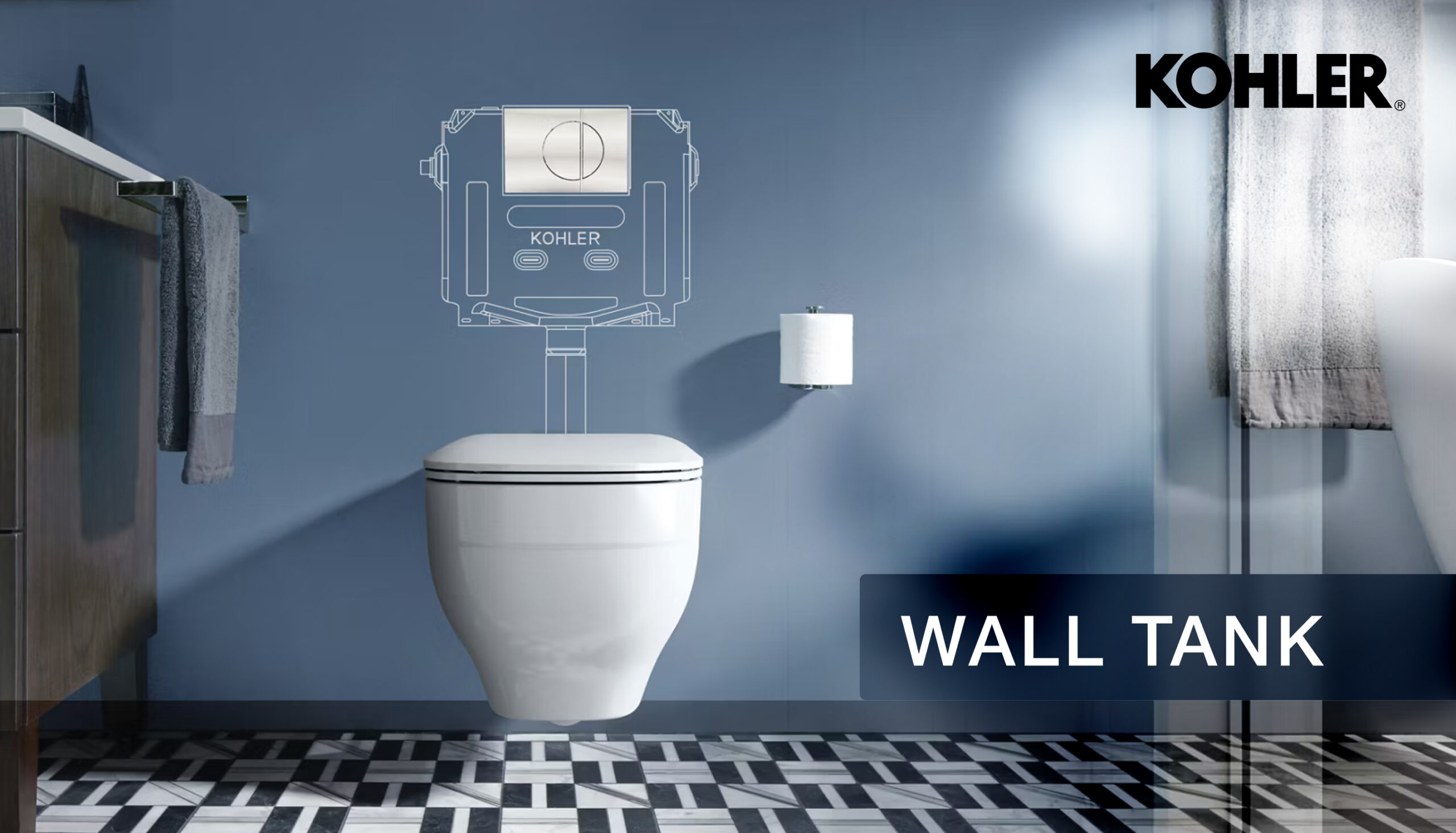
That’s where the wall tank changes the game. The tank hides inside the wall. Only the bowl and flush plate show. Floor stays clear. Suddenly, the room feels larger. Cleaning takes seconds. Contractors across Sri Lanka see it all the time: once clients try wall-hung, they don’t go back.
Here’s a straight, third-person look. Professional. Neutral. Written with the details that installers and homeowners actually discuss.
Why In-Wall Tanks Make Sense
A wall toilet tank sits inside a steel frame, tucked between studs. The flush mechanism, fill valve, and water line all stay hidden. What you see is a slim plate on the wall. That’s it.
No exposed cistern means no dust shelf. No tight gaps behind the toilet. The floor under a wall-hung bowl is wide open. Mop slides right through. No curves, no pedestal base, no sealant line where mold starts.
For tight bathrooms, that visual space matters. Designers use it to make 4×5 ft bathrooms feel workable. Hotels use it to keep rooms looking premium. Less clutter. Easier to maintain.
Strength and Setup Realities
First question everyone asks: Is it strong? Yes. A quality wall tank frame is rated for 400 kg or more. The weight goes into the frame and wall, not the ceramic bowl. Installed right, it doesn’t budge.
That “installed right” part is key. The frame needs proper anchoring to the floor and wall studs. Drain and water lines must line up. This isn’t a weekend DIY. Certified plumbers handle it. In new builds, the cavity is planned ahead. For renovations, the wall opens, the frame goes in, then it’s tiled over. Extra work upfront. Big payoff daily.
Height can be set during install, too. The standard is 40-43 cm from floor to seat, but it adjusts. Helpful for elderly users or custom comfort.
Single vs Double Wall Tank Systems
Most homes use a standard wall toilet tank. One flush volume, dual-flush buttons. Water-efficient, simple, reliable.
Larger commercial restrooms sometimes spec a double-wall tank setup. Two tanks, one frame, feeding adjacent bowls. Saves wall space when stalls sit side by side. It’s not common in houses, but in airports and stadiums, it cuts plumbing runs and keeps maintenance centralized.
Whether single or double-walled tank, the principle holds. Hide the working parts. Keep the user side clean and simple. Fewer surfaces. Faster cleaning. Better hygiene.
Design Freedom and Long-Term Value
With wall toilet tanks, designers get options. Large-format tiles run unbroken behind the toilet. No cistern breaks the pattern. The room looks calmer, bigger.
Hygiene improves, too. No base means no caulk line on the floor where grime builds. Rimless bowls pair well with in-wall systems. Water scours the full bowl. Quick-release seats lift off, so staff can clean under hinges. Less buildup. Fresher air.
Yes, the cost is higher upfront than a floor-mounted unit. Frame, tank, bowl, labor. But the total value shows up over the years. Less cleaning time. Higher property appeal. Fewer repairs if quality parts are used. Cheap frames flex and leak. Then the walls open again. A good frame costs once, holds for decades.
Why Specifications and Support Matter
Frames and wall tank carriers vary a lot. Weld quality. Corrosion coating. Valve reliability. These decide if the system lasts 3 years or 30.
Kohler Sri Lanka is specified on many projects because the frames and wall toilet tanks are engineered as a system. Valves are tested for local water conditions. Flush performance stays consistent. Service parts are stocked locally. That matters when a fill valve needs swapping in year eight.
Other brands exist. The priority is matched components and real support. For developers, hotels, and homeowners, Kohler Sri Lanka offers wall tank and bowl combos that balance design, strength, and service. The result: bathrooms that look clean and stay clean, without surprise call-backs.
The Bottom Line
Bathrooms should work hard and look easy. Wall toilet tanks deliver that by hiding the bulk and freeing the floor. Single units suit homes. Double-wall tank setups suit high-traffic commercial blocks. Both cut cleaning time and open up space.
The investment is higher than basic floor models. But the gains show up every day. More room. Faster mopping. Modern lines. Adjustable height. For new builds and renovations across Sri Lanka, that mix is hard to beat. And with proven systems from Kohler Sri Lanka, the performance matches the look. Clean design. Clean floors. Year after year.
Frequently Asked Questions
What is a wall tank, and how is it different from a regular cistern?
A wall tank is a concealed cistern mounted inside a steel frame within the wall. Unlike regular exposed cisterns, wall toilet tanks hide all plumbing. Only the flush plate shows, saving space and simplifying cleaning.
When would you use a double-wall tank system?
A double-wall tank setup feeds two adjacent toilet bowls from one in-wall frame. It’s used in commercial restrooms with side-by-side stalls to save wall space and centralize plumbing for wall toilet tanks.
Are wall toilet tanks strong enough for daily use?
Yes. Quality wall tank frames support 400 kg or more. The load transfers to the wall and floor through steel supports, not the bowl. Properly installed wall toilet tanks are extremely durable.
Why do projects in Sri Lanka choose Kohler Sri Lanka for in-wall systems?
Kohler Sri Lanka provides tested wall tank frames and bowls engineered as a system. Reliable valves, local parts, and service support keep wall toilet tanks and double-wall tank installations performing with minimal maintenance.