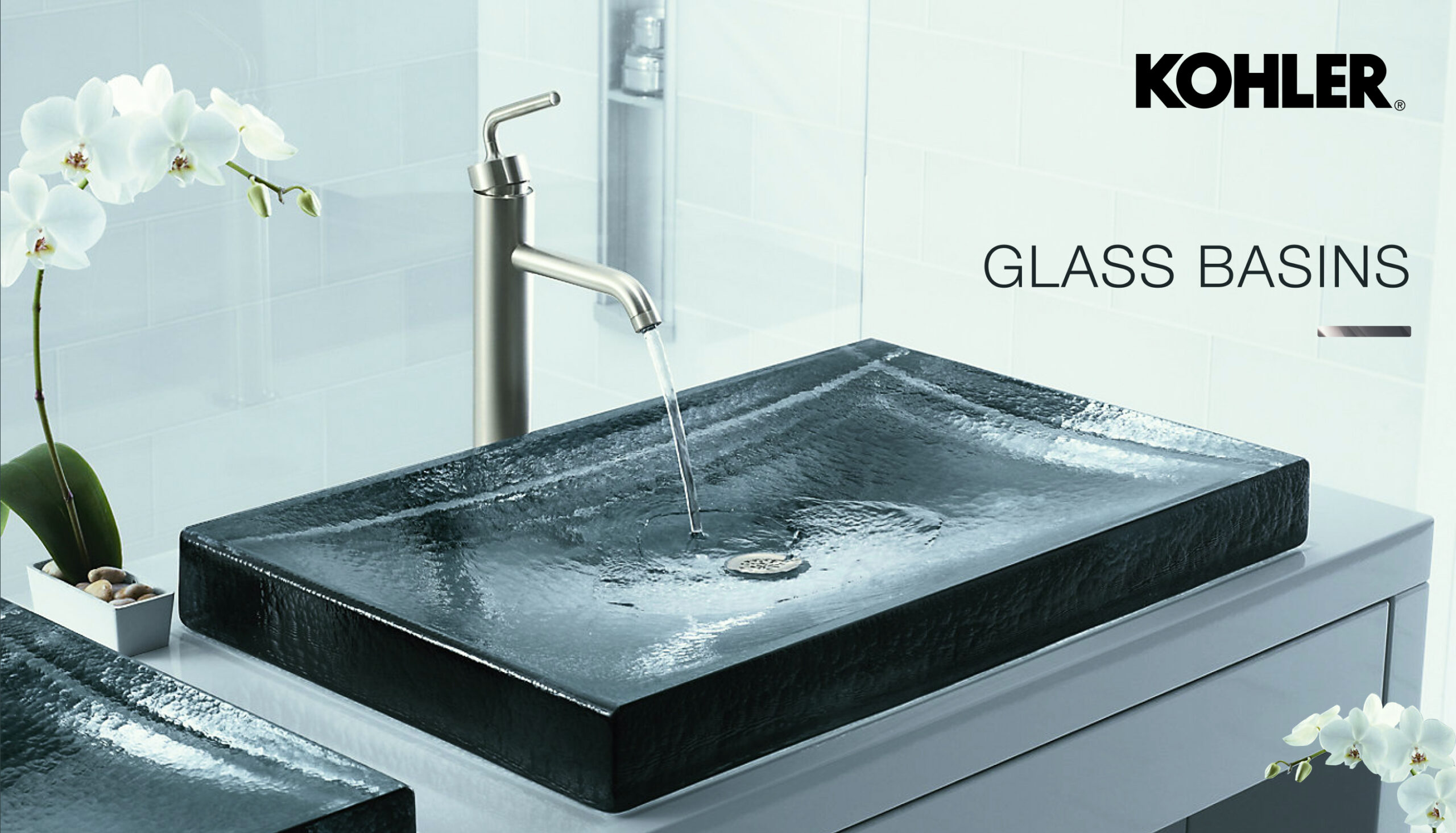
Glass basins have earned their place in modern Sri Lankan bathrooms. They lift the room. Light moves around in unexpected ways and small spaces feel less cramped. A fixture that would otherwise be purely functional starts to read as sculptural. The trade-off is straightforward. The surface needs slightly more attention than ceramic. Every fingerprint and droplet shows up under the lights, and the gap between a glass basin that still looks brand new at year five and one that already looks tired comes down almost entirely to the care routine.
What follows is the practical guide. Useful whether you already own a glass lav, or are weighing up the basin glass price in Sri Lanka and want to know what life with one looks like first.
Why Glass Basins Reward Careful Upkeep
For all the perception that glass is delicate, tempered glass holds up well in real bathrooms. The toughening process during manufacture builds compressive stress into the surface of the material, and the finished basin will take hot water, casual knocks and the sort of impacts that chip ceramic enamel. Staining works in glass’s favour too. The surface generally resists discolouration better than glazed ceramic does. The catch is that every smudge, water spot and soap streak shows up clearly under bathroom lighting. A small habit applied each day does more for the surface than an aggressive deep clean once a month.
Quality matters here too. Premium glass basins, of the sort offered by Kohler Sri Lanka across collections such as Briolette, Callos, Pallene, Inia and Antilia, use treated tempered glass with a polished finish that resists etching from cleaners and hard water minerals. Lower grade glass tends to cloud over within a year, which is one reason serious buyers compare basin glass price in Sri Lanka against long term performance rather than upfront cost alone.
Daily Care: Two Minutes That Make a Difference
The simplest version of the daily routine adds around two minutes to the morning. Slotted in alongside the morning’s other small rituals, it stops registering as a separate chore by week two.
- Once everyone is done with the basin, run warm water around the bowl
- Wipe the bowl and rim with a soft microfibre cloth
- Pay attention to the area around the drain where soap residue tends to gather
- Dry the surface lightly so water marks have less chance to settle
Microfibre is the hero here. The fibres lift mineral deposits and oily residue away from the glass rather than smearing them around, which is what most older cleaning rags end up doing.
The Weekly Deep Clean
Once a week, set aside ten minutes for a slightly more thorough session. This is where most of the long term shine comes from.
- Rinse the basin with warm water to loosen any soap film
- Apply a mild pH neutral cleaner across the inner and outer surfaces
- Work it in gently with a soft sponge using small circular motions
- Rinse thoroughly with warm water to lift the cleaner away
- Buff dry using a fresh microfibre cloth for a streak free finish
White vinegar handles stubborn hard water marks well. Mix it with water at one part vinegar to three parts water, spray across the affected patches and leave the solution to sit for sixty seconds before wiping and rinsing. The acidity is mild enough that the polished surface comes through fine.
Cleaners to Use and Cleaners to Skip
Most household cleaning products are fine on tempered glass. A handful of categories, though, cause real wear over time.
Safe choices include:
- Plain warm water with a small squeeze of dish soap (the milder the better)
- pH neutral bathroom cleaners
- Diluted white vinegar for hard water spots
- Glass cleaners marked safe for tempered surfaces
Stay away from:
- Abrasive scouring powders that scratch the polish
- Bleach in heavy strength. After a few months it flattens the polish.
- Steel wool, the rough green pads from the kitchen sink and any brush with hard bristles
- The acidic formulations sold for cleaning grout. Far too aggressive for glass.
When in doubt about a particular cleaner, look at what the label says it handles. Anything pitched at rust or grout haze should stay clear of the basin.
Common Habits Worth Reviewing
A few small things tend to shorten the life of glass basins more than any cleaner ever could. Worth a quick audit:
- Metal toiletry holders or razors parked on the rim. Over a few months they tend to chip the edge.
- Hair dye, mehndi paste or any dark pigment left to sit on the surface for hours. The micro-pores in glass take on the colour eventually.
- Pouring water straight off the boil into the basin. Even tempered glass dislikes that kind of sudden temperature swing.
- Skipping the dry wipe after use, which lets minerals build up week after week
Tempered glass forgives plenty, though small habits compound across years of use.
Quality Pays for Itself in Lavatory Design
Anyone planning a bathroom upgrade quickly notices the gap between budget glass and premium glass. The Kohler Sri Lanka range sits firmly in the latter camp, with each piece engineered for durability alongside the visual drama people associate with thoughtful lavatory design. The Antilia and Pallene styles work beautifully with stone counters, while the translucent Briolette finishes add quiet colour to minimalist schemes.
When you compare the basin glass price in Sri Lanka across the market, factor in finish quality, warranty terms and how the surface ages over five to ten years. A Kohler glass lav, looked after with the routine described above, holds up across years rather than seasons. Most owners end up refreshing the rest of their bathroom long before the basin starts looking dated, and that is usually how the upfront spend justifies itself.
Frequently Asked Questions
How often should a glass basin be cleaned?
For most households, a daily wipe with a deeper clean once a week handles things well. In hard water areas, or in homes where the basin gets heavy use, a second quick wipe through the day helps.
Are glass basins fragile?
Tempering involves a controlled heat process that locks compressive stress into the surface of the glass. A finished glass basin handles four to five times the impact force of untreated glass. The basin handles daily bathroom knocks comfortably. The genuine risks are pretty narrow. Avoid dropping heavy metal objects onto the rim from height. Steer clear of pouring boiling water straight in after cold.
How do I get rid of stubborn hard water marks?
Mix one part white vinegar with three parts water in a spray bottle. A light coat over the affected patch. Sixty seconds of patience. Then microfibre and a rinse. Heavy buildup may need a second go, occasionally a third. Older deposits that have set in for years sometimes call for a baking soda paste worked in with a soft sponge before the vinegar treatment.
How does basin glass price in Sri Lanka vary across brands?
Pricing comes down to a few things at once. Glass thickness. How rigorous the tempering process actually is. Finish quality. The terms of the warranty. Imported budget basins skip steps somewhere along that chain, which is why their finish tends to deteriorate faster. Kohler Sri Lanka sits at the higher end of the pricing range and the spec stays intact across years of use, which usually works out cheaper across the basin’s full life.
Can I use regular glass cleaner on my basin?
Yes, as long as the product is labelled safe for tempered glass and gentle on polished surfaces. pH neutral cleaners designed for bathroom fixtures are an even better daily choice.