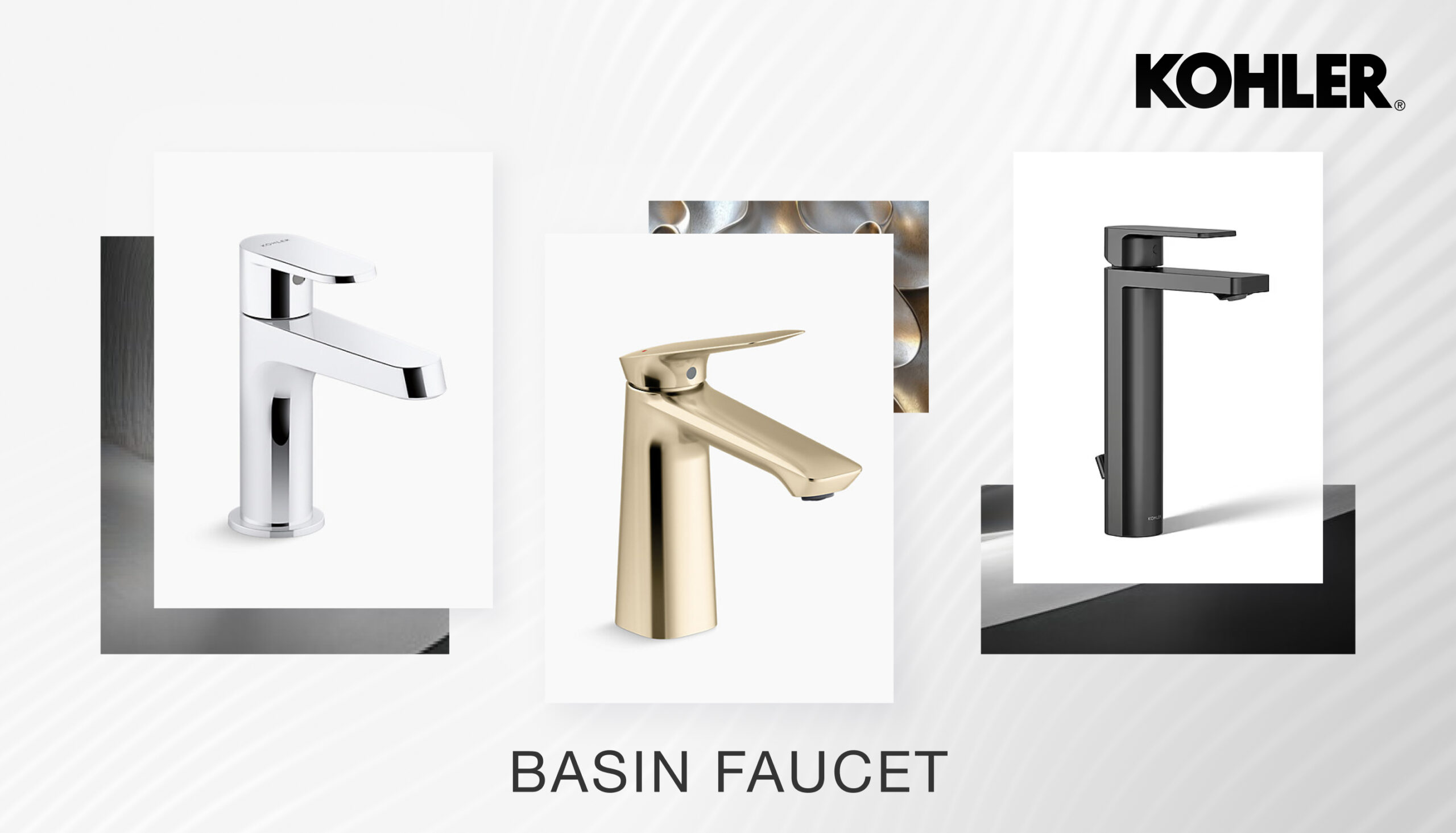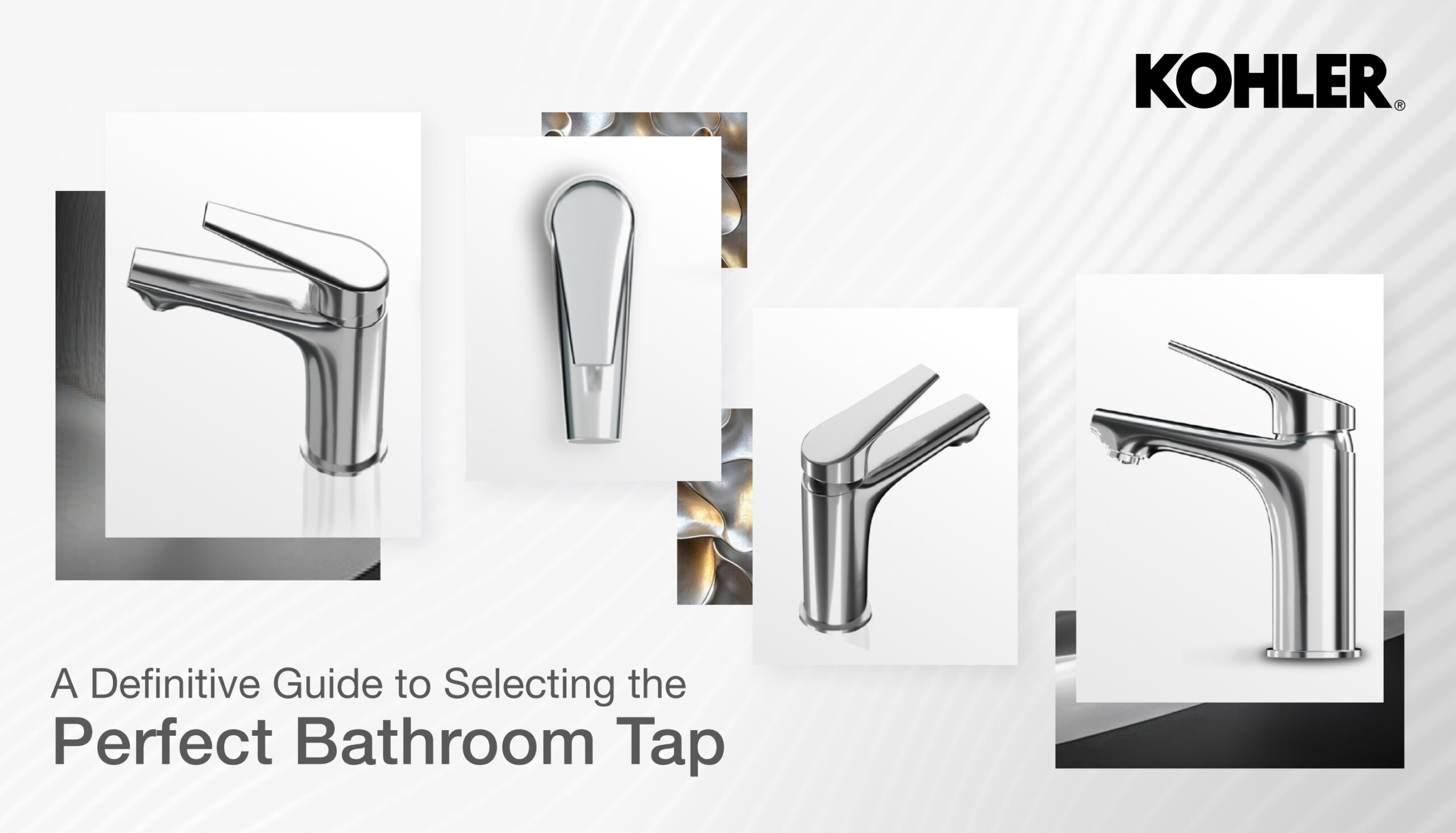
Selecting the right tap is among the most noteworthy decisions there is in any bathroom renovation. This guide covers everything from sizing and style to the full range of tap categories, including basin pillar taps, wall-mounted options, mixer fittings, and sensor technology. Whether upgrading a single fixture or redesigning an entire bathroom, the information here supports a confident and well-informed choice.
Table of Contents
- How to Choose the Right Tap
- Proportion and Scale
- Style and Design Consideration
- Functionality and Ease of Use
- Pillar Basin Taps: A Considered Classic
- Wall-Mounted Taps
- Mixer and Sensor Taps
- Making an Informed Decision
- Frequently Asked Questions
1. How to Choose the Right Tap
The key factors worth thinking through before making any selection:
- Size relative to the basin and surrounding space
- Style in relation to the overall interior theme
- Finish for durability and ease of maintenance
- Functionality suited to the bathroom’s specific demands
- Placement of the basin within the room
2. Proportion and Scale
Proportion matters far more than most renovation guides suggest, and getting it wrong is one of those things that is very difficult to unsee once noticed.
A few practical things to keep in mind here:
- Match tap height to basin depth so proportions feel considered
- Think about the visual weight of surrounding fittings and fixtures
- Allow adequate clearance between the tap spout and the basin rim
- Scale the tap size honestly to the counter space available
Kohler Sri Lanka offers a thoughtfully curated range that handles proportion with a great deal of care, which makes the process of finding that right balance between presence and restraint considerably more straightforward.
3. Style and Design Consideration
Style, when it is working properly, functions as communication rather than decoration. This is perhaps especially true of bathroom taps, which are touched multiple times a day and noticed far more than people tend to expect.
When selecting pillar taps, bathroom fixtures specifically, the surrounding environment really does deserve careful and honest attention. Tile finish, cabinetry tone, mirror frames, ambient lighting, all of these interact with the tap’s material and silhouette in ways that are surprisingly easy to underestimate at the planning stage, and quite impossible to ignore once everything is installed. The tap, ultimately, does not exist on its own. It belongs to the room as a whole.
Some design elements genuinely worth spending time on:
- Finish options: Brushed nickel, polished chrome, matte black, or warm gold tones
- Silhouette: Straight body, swan neck, or traditional cross-handle designs
- Era compatibility: Contemporary, transitional, or heritage-inspired aesthetics
- Surface texture: Smooth or subtly faceted, depending on the overall interior direction
4. Functionality and Ease of Use
A tap that looks impressive in a showroom but proves awkward to operate, collects grime in every crevice, or needs specialist attention after a year of normal use is, frankly, not a good tap, regardless of how it photographs. Functionality really does need to sit at the heart of the selection process from the very beginning.
Some practical functional criteria worth mapping to specific bathroom types:
- Primary bathroom: Quarter-turn mechanism, smooth base plate, intuitive lever control
- Guest bathroom: Sensor options for improved hygiene and meaningful water efficiency
- Children’s bathroom: Simple lever controls, ideally with tamper-resistant fittings
- Ensuite: Thoughtfully refined thermostatic options for precise and repeatable temperature management
5. Pillar Basin Taps: A Considered Classic
A pillar tap works by delivering water through a single upright body. The more traditional configurations provide separate hot and cold controls, which gives the user a satisfying degree of precise temperature management. Swan neck variations do something rather elegant with that upright form, introducing a gentle arc that adds a good deal of visual character without making the mechanism any more complicated than it needs to be.
Elegant. Enduring. Entirely practical.
The main types of pillar taps worth being aware of:
- Standard pillar tap: Separate hot and cold controls, clean and straightforward to install
- Swan neck pillar tap: A graceful, elevated arc, particularly well-suited to deeper basins
- Long body pillar tap: Extended height for deeper basins or wall-set configurations
- Basin pillar taps: Proportioned specifically for wash basin installations
6. Wall-Mounted Taps: A Study in Spatial Intelligence
Wall-mounted taps do something that no basin-mounted fitting can quite replicate: they give the counter back entirely.
A few reasons they are worth serious consideration:
- The basin surface is freed up entirely, which makes the space feel noticeably larger
- Cleaning becomes considerably simpler with no base plate to collect water and residue
- The overall look reads as architectural and deliberate in a way that suits modern interiors especially well
- They adapt comfortably to both contemporary and more transitional interior directions
The visual return tends to be immediate and, perhaps more importantly, it holds up very well over time.
7. Mixer and Sensor Taps: Contemporary Additions
Monobloc taps take that idea a step further by separating flow and temperature into two distinct controls, which gives the user a noticeably more deliberate and precise water experience overall. Where a standard mixer tap prioritises ease and fluidity, a monobloc prioritises exactness and a certain kind of considered control. Both are genuinely strong choices in their own right. The deciding factor really comes down to how much precision the user values during their daily routine at the basin.
Sensor taps represent a further development that is, honestly, worth far more consideration than it typically receives. For households that care seriously about responsible water consumption, sensor technology offers something lasting and meaningfully practical.
The fitting responds to the user. Not the other way around.
8. Making an Informed Decision
A practical checklist before committing to a purchase:
- Confirm the basin hole configuration well in advance
- Check water pressure compatibility with the specific tap type in question
- Think honestly about finish longevity relative to the bathroom’s humidity levels
- Visit a showroom and spend some real time evaluating build quality in person
- Cross-reference tap height against basin depth measurements before ordering
Kohler offers you the best of both worlds by combining functionality with visual excellence. Each product is a testament to a 150-year legacy with longevity and durability in every piece. Go bold, go Kohler.
Frequently Asked Questions
What is the standard size of a pillar tap?
Most pillar taps and bathroom fittings follow a standard 15mm diameter. That said, always measure the basin hole before purchasing, since sizing does vary between brands.
What makes pillar taps such a reliable long-term choice for bathrooms?
Three things, really: affordability, easy installation, and low maintenance. Basin pillar taps have stayed relevant through decades of changing trends, which says everything about their enduring practicality and appeal.
How does a monobloc tap differ from a standard mixer tap?
A mixer handles flow and temperature with one lever. A monobloc separates them, giving noticeably more precise control. Same spout, different experience altogether at the pillar basin.